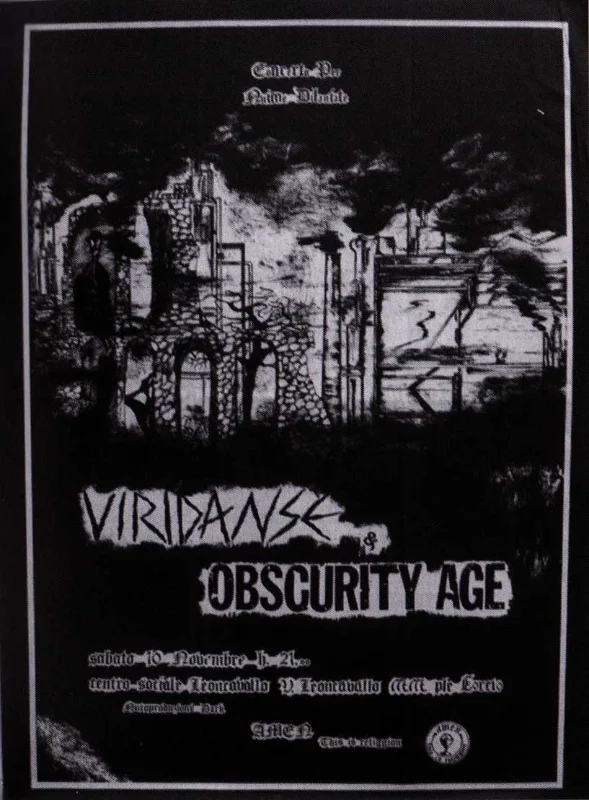
Dal bellissimo sito Kainowska un racconto in tre parti sulle culture dark a Milano
A linkblog by Archivio Grafton9: web documents on the archives of social movements, underground cultures and the memory of political struggles.
Dal bellissimo sito Kainowska un racconto in tre parti sulle culture dark a Milano

The politics of dancing and musicking and other dark matters
People have always come together to move to music. In the process communities have been created, social divisions challenged, pleasure exalted over work and a billion relationships have blossomed. At the same time dancing bodies have often been subject to regulation – rules about when, where and how they can move, rules about who is allowed to dance with who, rules about what dancers can wear and put inside their bodies… That, in essence, is the ‘politics of dancing’.
This site aims to be a celebration of dance as an affirmation of life in different times and places, sometimes dangerous times and places.
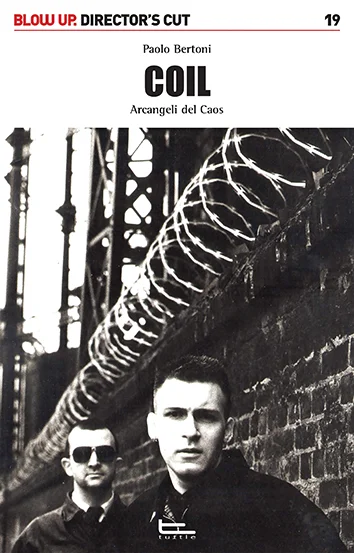
Director’s Cut #19 (luglio 2020) • 132 pagine b/n • 12,00 euro
L’esperienza dell’ineffabile Peter Christopherson e l’irruente genio di John Balance, il debutto d’impronta rituale di “How To Destroy Angels” e il citazionismo esasperato di “Scatology”. Il sentore d’apocalisse, l’agro aroma della morte in “Horse Rotorvator”, i permanenti stati alterati che fomentarono “Love’s Secret Domain”, pagati con la difficoltà di dargli seguito in termini ragionevoli. La fuga, ideale, intentata nascondendosi in ELpH, Black Light District, Time Machines, tra autismi digitali ed escursioni cosmiche, e quella fisica, dopo la serie ispirata a solstizi ed equinozi che segnò il tramonto dell’era del Sole Nero e l’avvio della fase ‘moon musick’ che accrescerà il loro seguito con “Musick To Play In The Dark”. Non ci sarà abbastanza tempo per consolidarlo, se non col ritorno alle esibizioni dal vivo, altro capitolo fondamentale, mentre solo dopo la scomparsa di John uscirà altro materiale di studio compiuto. Nonostante Peter lo abbia seguito sei anni dopo, nel 2010, altro si è aggiunto, anche di questo tratta il libro.

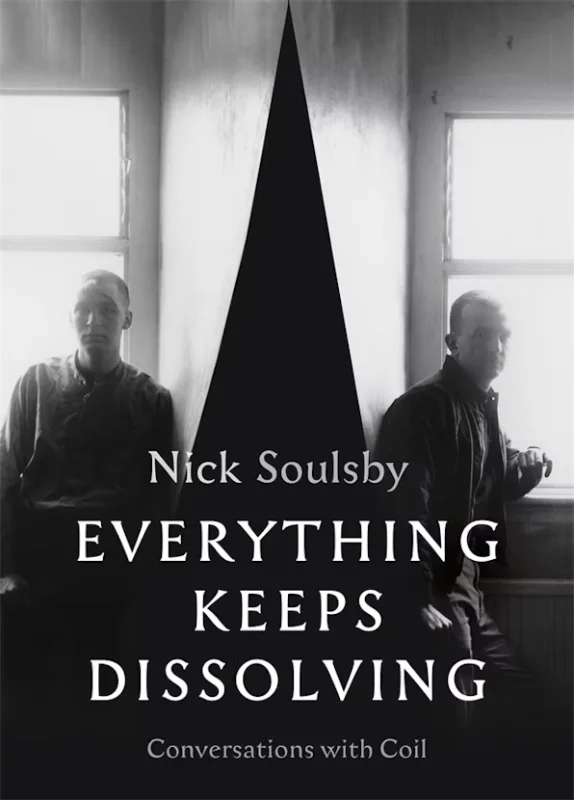
Core members of the legendary British experimental band Coil tell its story in the present tense, as events unfold across their twenty-year history.
Between 1983 and 2004 the legendary British experimental band Coil established itself as a shape-shifting doyen of esoteric music whose influence has grown spectacularly in the years since its untimely end. With music that could be dark, queer, and difficult, but often retained a warped pop sensibility, Coil’s albums were multifaceted repositories of esoteric knowledge, lysergic wisdom and acerbic humor. In Everything Keeps Dissolving, core members John Balance and Peter Christopherson tell Coil’s story in the present tense, and from their personal perspectives, as events unfold across the band’s twenty-year history.
Accompanied by their various collaborators, Coil describe the fertile eruption of ideas, inspirations, and stray tangents that informed their lyrical and musical visions—as well as those dead paths and castoff concepts that didn’t take root. No only a worm’s eye view of Coil, these interviews provide insight into the late twentieth century’s evolving British cultural underground as channeled through two of its most astutely mercurial minds.

Audio archaeology since 2010. Mixes, interviews and underground histories. Independently run from Lithuania.
The archive crosses genres and scenes. Academic composition sits beside industrial music, folk recordings, post-punk and electronic music.
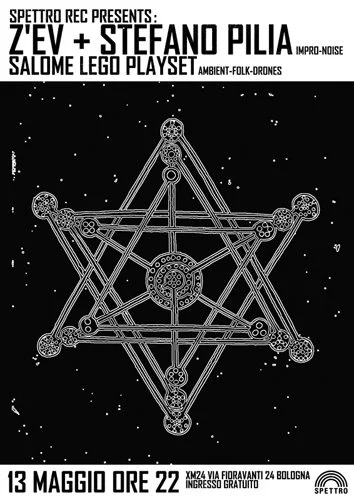
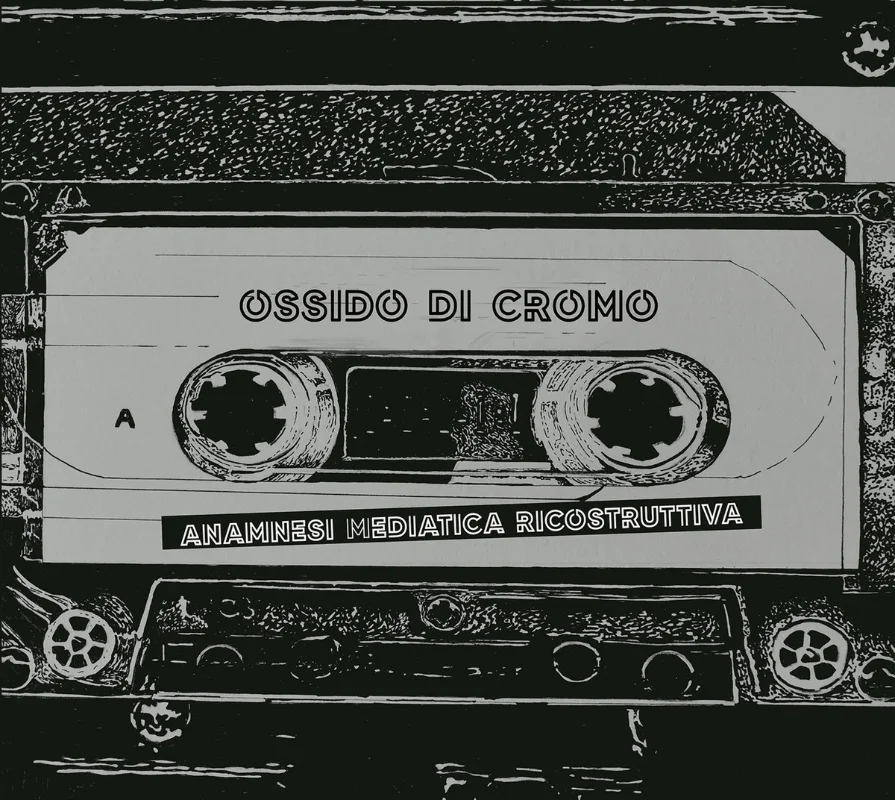
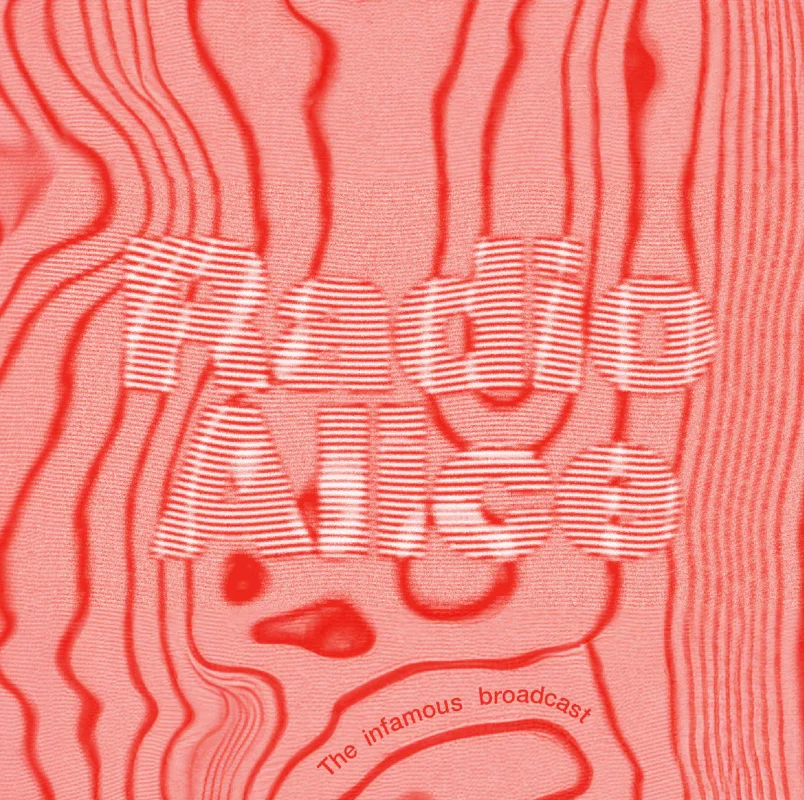
Radio Alice: An Immersion into the History of Italian Free Radio
Radio Alice is a deep dive into the history of Italian free radios. Through this compilation of six Industrial/Noise music tracks, Andrea Stillacci unearths the essence of the revolutionary 1970s, a pivotal era for artistic expression.
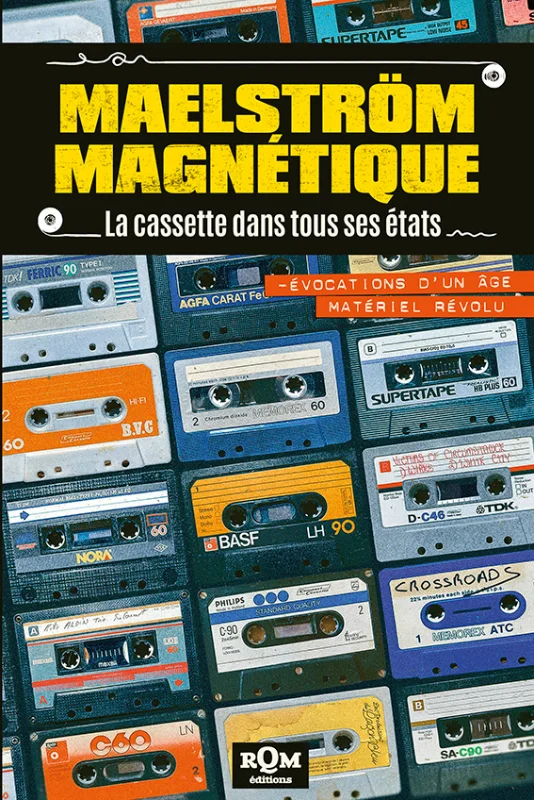
“The wizard” has been ripping and posting tapes daily on his https://terminalescape.blogspot.com blog since 2009. This massive collection covers DIY and underground releases from punk, hardcore, and all related and unrelated genre. There are both demos from contemporary bands and rare tapes, bootlegs, compilations, etc from his own personal collection, which is extensive due to his long-standing participation in undergound tape-trading scenes.
Copy at Internet Archive

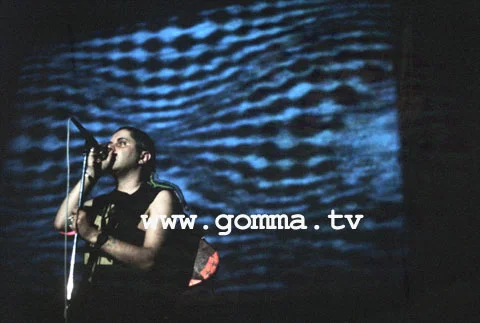
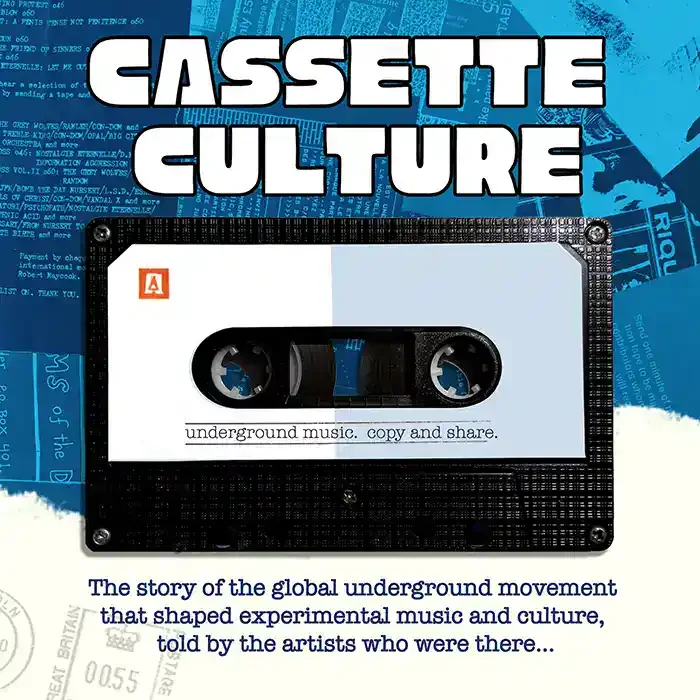
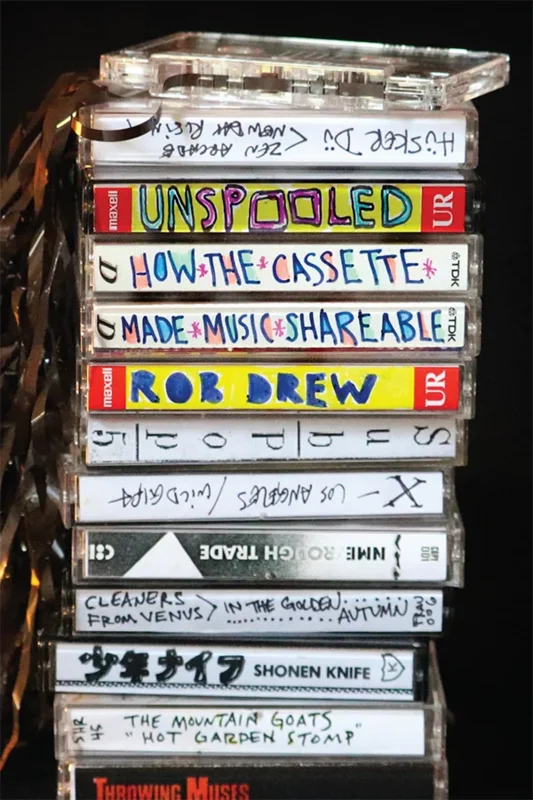
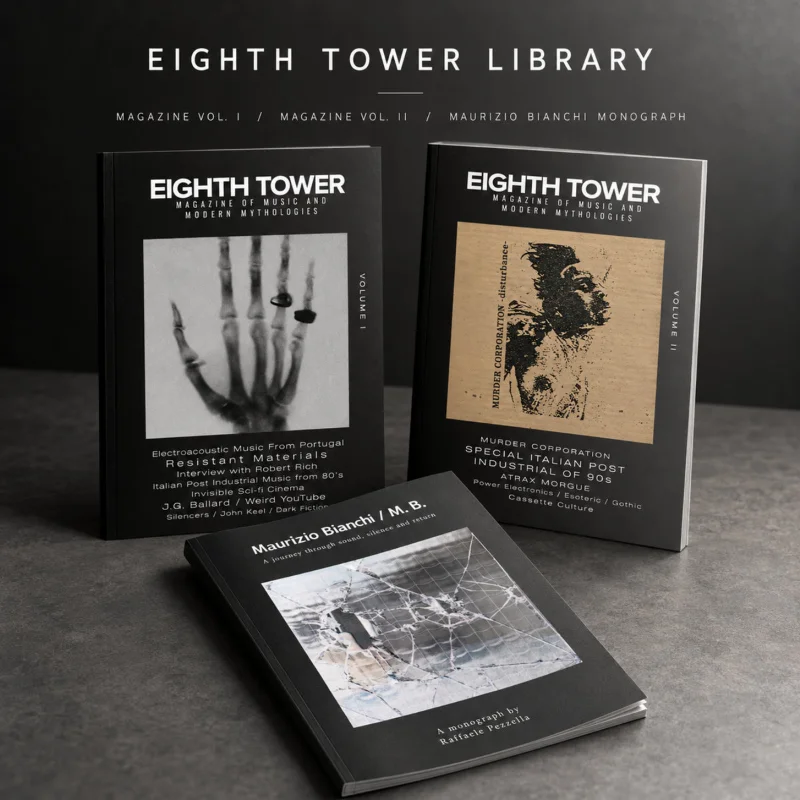
Una collezione di zines di musica industrial (3GiB) scaricabili da BitTorrent.
In the 1980s or early 1990s, public internet had not yet democratized and devolved information to the lowest common denominator. The only source of news came from either the mainstream, or tiny xeroxed magazines published by citizen volunteers. Six big companies controlled the music industry. Zines routed around this monopoly with news, analysis, interviews, and contact information for underground metal. Knitted together by a postal network of letter-writers and tape traders, they united bands and fans for a genre that was too small and too alienated for the mainstream press.
We’ve put together an archive of metal zines from the classic period. It’s a free text directory tree, so there’s no fancy navigation, just the raw PDFs and JPGs themselves.